

Preservation of herbal dosage forms is controlled by a small set of variables including water activity, pH, solvent system, redox exposure, oxygen permeability of the package, and the risk of repeated user inoculation during use. Microbial control across dosage forms can be achieved using multiple methods (Scheler et al., 2010; Ryan & Hwang, 2010; Ullah et al., 2012; Anurova et al., 2019):
1. Intrinsic self-preservation (high ethanol, very low water activity, or strongly acidified systems)
2. Validated chemical preservation (weak acids, alcohols, quaternary ammoniums, phenoxyethanol, parabens, etc.)
3. Packaging-driven microbiological control (true unit dose, sterile manufacturing, or preservative-free multidose pumps that block back-contamination)
Where possible, the additives below map to preservation and stability of key marker compounds in the final matrix (Scheler et al., 2010; Fiorentino et al., 2011). Across all dosage forms using “green preservative” you still validate antimicrobial performance in the finished product and final container because emulsifiers, solubilizers, and packaging can negate nominal preservative systems (Scheler et al., 2010; Fiorentino et al., 2011; USP <51> Antimicrobial Effectiveness Testing).
Tinctures and hydroalcoholic extracts
Tincture preservation is dominated by ethanol fraction, residual water content, and how much the formula is diluted post-extraction. A practical preservation breakpoint is whether the finished product is water-rich enough to support microbial growth and whether user handling introduces repeated contamination. If the final product is effectively anhydrous or strongly antimicrobial due to solvent chemistry, you can often avoid adding additional preservatives, but you still need oxidative and volatilization control for actives and terpenes via container choice, headspace minimization, and light control. The likely source of failure in “tincture-like” systems is when a hydroalcoholic extract is later diluted into a lower-ethanol, higher-water vehicle (for taste, dosing, or compatibility), which can erase the intrinsic antimicrobial barrier and force you into conventional oral-liquid preservation logic (Fleet, 1992; Santo et al., 1997; World Health Organization, 2009; Scheler et al., 2010).
Cannabis-derived galenic oils offer a useful analog for what “low-water” herbal matrices can do when properly designed and packaged. In a 12-month real-time study at 25 °C of full-spectrum cannabis oils diluted in sesame oil, investigators reported chemical stability across multiple analytes and no microbial development compromising stability displaying a bactericidal activity against representative bacteria (Orallo et al., 2024). This does not generalize to aqueous tinctures, but it cleanly illustrates the preservation advantage of low-water lipid matrices compared with water-containing liquids (Orallo et al., 2024).
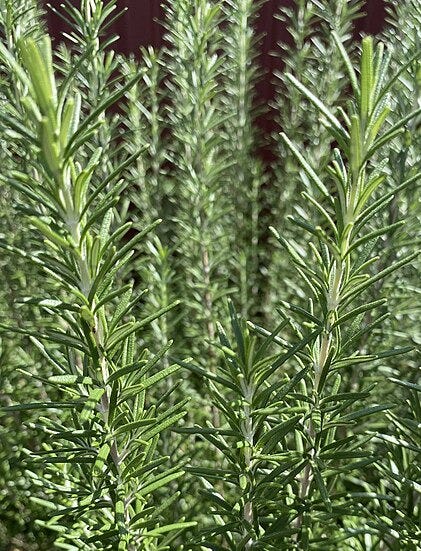
If the tincture is truly high-ethanol and not later diluted, ethanol is often the primary antimicrobial barrier, but it does not solve oxidative and photo-oxidative drift of polyphenols, terpenes, and redox-labile constituents. Two “green” stability add-ons that are defensible as phytochemical stabilizers are rosemary-derived diterpenes (carnosic acid/carnosol) and ferulic acid, each used as an antioxidant strategy rather than a microbicide. Rosemary extract measurably improves oxidative stability in lipid matrices and has characterized degradation behavior under temperature and light exposure (Yin et al., 2023; Li et al., 2012).
Ferulic acid is also a practical stabilizer of antioxidant systems in solution in a human-relevant topical context, supporting the general mechanistic argument for its use as a stabilizing co-antioxidant when photo-oxidation is a concern (Lin et al., 2005). Cnidium officinale or Ligusticum species are rich in ferulic acid. L. sinense (L. wallichi or L. chuanxiong) and L. jeholens are used in Chinese herbology, while L. porteri (osha) is used in Western herbal medicine. All contain essential oils that act as antimicrobial and antioxidant agents
If you must add a “green” antimicrobial to a hydroalcoholic tincture, consider a weak organic-acid–centered co-systems:
· Sorbic acid (primary organic acid anchor) or potassium sorbate is fermentation-derived, widely accepted in botanical and food systems demonstrating pH-dependent antimicrobial activity against yeasts and molds. This behavior is consistent with broader findings in microbial physiology showing that growth inhibition depends on intracellular pH homeostasis and metabolic recovery rather than acid dissociation alone. Its antimicrobial activity is strongest below pH ~4.5, where the undissociated acid predominates and disrupts microbial membrane function and intracellular pH regulation/ In practice, sorbate performs best when paired with a controlled acidic pH (Fleet, 1992; Stratford & Anslow, 1998; Stratford et al., 2009; Ullah et al., 2012).
· Benzoic acid or sodium benzoate is another fermentation-derived weak acid that shows clear synergy with sorbic acid in acidic systems. Studies demonstrates that benzoate–sorbate combinations outperform either preservative alone in acidic matrices, allowing lower individual concentrations while maintaining antimicrobial effectiveness Benzoate as a “green” co-acid in tincture-derived liquids helps when flavor, regulatory, or tolerability constraints limit sorbate loading. Its activity is strongest below pH ~4.2, reinforcing the need for deliberate pH control (Zani et al., 1997).
· Citric acid as a co-system acts as an antimicrobial used to maintain the pH window where sorbate and benzoate remain effective as well as to chelate trace metals that catalyze oxidative degradation of polyphenols. These acids are long-standing food and herbal excipients with clear safety precedent. Pharmaceutical oral-liquid preservation literature consistently shows that preservative efficacy collapses when pH drifts upward, even when preservative concentration remains constant, making pH-control acids a necessary part of the antimicrobial system rather than an optional adjustment (Scheler et al., 2010; Anurova et al., 2019).
· Plant-derived phenolics can be applied as antimicrobial adjuncts rather than primary preservatives. Carvacrol and thymol, for example, show reproducible antifungal and anti-yeast activity through membrane disruption mechanisms in food spoilage systems (Hyldgaard et al., 2011; Manso et al., 2014). In a tincture-derived beverage or liquid supplement, these compounds can be described as secondary components that may reduce microbial growth pressure, but they do not replace organic-acid preservation or challenge testing due to sensory limits and matrix dependence.
Pills and tablets
A structural overview of the physical components of pills and tablets is useful. A plant powdered or extracted needs to be combined with a filler to create homogeneity of the active, which we’ll call flowability of excipient (filler) and extract. And, in the case of a tablet, be compressible. The tablet needs to keep its compact form once the pressure is removed. It must have good dilution so the actives can be satisfactorily compressed. The excipient must be stable to air and heat. It shouldn’t interfere with disintegration or dissolution. Nor should it increase degradation of the plant material by being reactive or interfere with the biological availability of the actives.
For compressed solids, microbial growth is usually not the limiting risk if the tablet is dry and manufactured with low bioburden. The preservation problem is instead chemical and physical stability driven by moisture uptake, oxygen ingress, and excipient-driven microenvironments that can catalyze hydrolysis or oxidation. This makes packaging and moisture management the “preservation system,” often more than any antimicrobial additive. In practice, you preserve tablets by controlling equilibrium moisture content through blister packs with low water vapor transmission, desiccants when appropriate, and careful selection of hygroscopic excipients that can accelerate water sorption and subsequent degradation reactions (Reid et al., 2006; Waterman et al., 2019).
Hard and soft capsule shells provide a moisture-sensitive polymer system. Moisture-driven brittleness and mechanical failure in gelatin capsules has been investigated under controlled humidity conditions, supporting the point that capsule integrity is itself a stability endpoint and must be preserved by humidity control and packaging (Reid et al., 2006). For plant-based capsule materials, the same principle applies. Water sorption and moisture transfer kinetics predict mechanical changes, which can then feed back into oxygen exposure and dose uniformity (Cheng et al., 2018).
For dry solids any “green” additive should still be based on a chemical stability strategy that reduces oxidation and metal-catalyzed degradation. An approach is to use antioxidant systems that are already well characterized in lipid and food-grade matrices (e.g., rosemary extract antioxidants) to protect oxidation-prone phytochemicals embedded in excipient microenvironments, while still treating packaging as the primary preservation system (Ramalho & Jorge, 2008; Shahidi et al., 2016). Antimicrobial preservation is typically unnecessary if equilibrium moisture is controlled, while chemical stabilization can be enhanced with antioxidant co-formulants in oxidation-prone formulas (Fiorentino et al., 2011).
Capsules (powder-filled, oil-filled, and shell interactions)
Capsule preservation splits into powder-filled versus oil-filled systems. As previously noted, powder-filled capsules fail by moisture sorption, loss of capsule elasticity, and potential polymorphic or amorphous-to-crystalline transitions that can alter dissolution and bioavailability. Oil-filled capsules or oil-based softgels fail primarily by oxidation of lipophilic actives, shell plasticizer migration, and oxygen permeability of the shell and package. The evidence base on gelatin systems shows that brittleness and mechanical integrity are moisture-mediated, which means capsule products have a preservation requirement that is a humidity not just a microbial specification (Reid et al., 2006).
When formulating with surfactant systems, you also need to treat preservatives as “active participants” because surfactants can reduce preservative free concentration by partitioning into micelles, lowering antimicrobial effectiveness at the same nominal preservative load (Jiao, 2008; Fiorentino et al., 2011).
For powder-filled capsules, the “green” stability add-ons are again antioxidant and moisture-control adjacent, not antimicrobial. For oil-filled capsules, oxidation is the primary failure mode; rosemary-derived antioxidants provide a literature-supported antioxidant archetype for lipophilic systems (Ramalho & Jorge, 2008; Shahidi et al., 2016). If the capsule system is emulsified or contains surfactants, you must explicitly acknowledge that preservative effectiveness is a system property and can be undermined by formulation partitioning, so any “green” preservative claim must be validated in the final matrix (Fang et al., 2016; Fiorentino et al., 2011).
If a capsule product contains enough available water to justify antimicrobial preservatives (uncommon but possible in certain fills), one preservative approach in emulsion-like systems is plant derived caprylyl glycol plus glyceryl caprylate blend, which shows measurable antimicrobial/challenge-test performance in an oil-in-water emulsion model (Fang et al., 2016).
Gummies
Gummy preservation is primarily water activity engineering and yeast-mold control. Weak-acid preservatives are common in confectionery-like matrices, but yeast behavior is not reliably explained by the classic weak-acid model alone. A yeast-focused experimental study showed sorbic acid inhibition patterns consistent with membrane activity and correlated sorbate resistance with ethanol tolerance across multiple yeast strains, emphasizing that formulation context matters and that yeast control can fail even when a weak-acid preservative is present. Practically, gummies must be preserved by controlling water activity, limiting microbial ingress through packaging, and validating antifungal performance in the actual matrix, not extrapolated from aqueous preservative tables (Fleet, 1992; Stratford and Anslow, 1998; Ullah et al., 2012; Martínez Muñoz et al., 2023).
The most defensible “green” microbial add-ons are plant-derived phenolics with known antifungal activity and/or matrix-compatible natural antimicrobials, with explicit recognition that mechanism and efficacy are matrix-dependent. Plant-derived antifungals include carvacrol and thymol have specific evidence against spoilage yeasts with a membrane-disruption mechanism that still require sensory constraints and validation in the gummy matrix (Manso et al., 2014; Hyldgaard et al., 2011).
Beverages
Beverage preservation is dominated by pH, sugar content, ethanol content (if present), and the spectrum of spoilage organisms expected under the storage temperature profile. When beverages rely on sorbates, benzoates, or related systems, yeast is often the limiting organism, and the mechanism of inhibition can deviate from pH-partition assumptions, which is why matrix-specific validation matters (Stratford & Anslow, 1998). Pharmaceutical methods preserve a botanical beverage the same way you preserve an oral liquid drug product: define the pH range, define the preservative system compatible with that pH, then confirm preservative effectiveness in the final container after real fill conditions and contact with packaging components, because preservatives can be lost by partitioning, adsorption, or degradation over shelf life (Fleet, 1992; Scheler et al., 2010; Anurova et al., 2019).
Botanical beverages preservation depends on pH, yeast control, and oxidative drift suggesting the use of rosemary extract (Ramalho & Jorge, 2008; Shahidi et al., 2016). For microbial control with a “green” framing, plant-derived phenolics like carvacrol/thymol have direct spoilage-yeast relevance in food systems, and broader natural-antimicrobial screening literature supports their activity alongside other natural antimicrobials such as nisin and chitosan, with the caveat that beverage sensory and regulatory constraints often dominate feasibility (Manso et al., 2014; Settanni et al., 2013).
Nasal sprays
Nasal products sit in a higher-stakes zone because you are balancing microbiological safety with mucosal tolerability and ciliary function. Preservative-free strategies exist, but they are not “no preservation,” they are “preservation by design,” typically via sterile manufacture and packaging that prevents backflow contamination. A randomized, double-blind, placebo-controlled crossover trial in healthy volunteers found a buffered preservative-free acidified solution to be safe and well tolerated over short-term use while maintaining sterility in a multiple-dose applicator without chemical preservatives, supporting acidification plus container strategy as a viable route when designed correctly (Ryan & Hwang, 2010).
Benzalkonium chloride is widely used but mechanistically risky for nasal tissues because it can alter mucociliary clearance dynamics. A randomized, double-blind, placebo-controlled trial evaluated mucociliary clearance with benzalkonium chloride-containing nasal spray, reinforcing that preservatives are not neutral excipients in nasal space and must be justified against functional endpoints, not just microbial endpoints (Braat et al., 2003). In preservative-free multidose nasal systems, specialized pump designs have been studied as a route to microbial safety without adding preservatives (Myrdal et al., 2004).
Human randomized crossover trial supports safety and tolerability of a buffered preservative-free acidified saline nasal spray under short-term use (Ryan & Hwang, 2010). Additional evidence points to xylitol as an anti-biofilm and antimicrobial adjunct in sinonasal treatment comes from in vitro CRS biofilm study and a randomized controlled clinical study of postoperative irrigation, providing a combination of mechanistic plausibility plus human data (Jain et al., 2016; Jiang et al., 2024). Xylitol does not replace sterility assurance, preservative effectiveness testing, or packaging-based back-contamination control in multidose products (Fiorentino et al., 2011; Myrdal et al., 2004).
Enemas (rectal delivery)
Herbal enemas are preservation-sensitive because they are aqueous, handled by users, and delivered to a mucosal surface with real irritation risk. The preservation target is typically closer to “microbiological safety under in-use conditions” than “long shelf-life antimicrobial robustness,” which pushes designs toward unit-dose, single-use packaging and avoidance of preservatives with higher mucosal irritation potential. An old but still conceptually valuable pharmaceutical observation is that preservatives can be chemically compromised by formulation context, illustrated by a study reporting decomposition of parabens and formation of p-hydroxybenzoic acid in a drug product context, underscoring that the presence of a preservative does not equate to active preservation over time (Okubo et al., 1981). For rectal products, that principle is operationally important: if you cannot guarantee preservative stability and in-use microbial control, you default to unit-dose single-use and conservative beyond-use periods (Fiorentino et al., 2011). Xylitol has antimicrobial and anti-biofilm activity as an adjunct effect that would need to be validated for microbial safety (Jain et al., 2016).
Dermal application (creams, gels, ointments, oils, transdermals)
Dermal preservation is not optional for water-containing topicals because the product is repeatedly inoculated by fingers and exposed to warm, moist, microbe-rich bathrooms. Waterless oils and anhydrous balms can sometimes be self-preserving microbiologically, but they still require oxidative stability management and packaging control, and they can still be contaminated if water is introduced during use. For emulsions and gels, preservation is a system property of the whole matrix, including emulsifier choice and partitioning behavior, because surfactants and solubilizers can reduce preservative availability in the continuous phase where microbes live (Jiao, 2008; Ryan and Hwang, 2010; Nostro et al., 2018).
A preservative efficacy study in a cosmetic emulsion evaluated selected antimicrobials of natural origin and directly addressed preservative performance in an emulsion matrix, which is the relevant model for many botanical creams and gels (Nostro et al., 2018). The take-home for herbal dermal applications is that “natural preservative” choices must be treated like conventional preservatives requiring efficacy validation in the final emulsion, in the final container, across intended storage conditions. The pH drift must be monitored, as well as ingredient interactions that can collapse preservative effectiveness (Nostro et al., 2018). For dermal systems that attempt preservative-free positioning, packaging must carry the burden via airless pumps, single-dose sachets, or other contamination-limiting designs, with explicit evidence that in-use contamination does not occur at clinically meaningful levels (Ryan & Hwang, 2010).
For dermal products, the key “green additive” split is waterless versus water-containing. For anhydrous balms and oils, microbial preservation can be intrinsic, but oxidative stability is the dominant need. Rosemary extract is repeatedly supported as a natural antioxidant improving oxidative stability in oils and under thermal stress, which you can translate into “protects oxidation-prone botanical actives in oil-based dermal applications (Yin et al., 2023; Shahidi et al., 2016).
For water-containing creams and gels, antimicrobial preservation must be demonstrated in the emulsion matrix. There is some evidence evaluating “natural origin” antimicrobials in a cosmetic emulsion using standardized challenge testing logic (Nostro et al., 2018; Fiorentino et al., 2011).
Ferulic acid has been shown to act as antioxidant as well as enhance photoprotection in human skin outcomes (Lin et al., 2005). Additionally, caprylyl glycol plus glyceryl caprylate is a preservative-system exemplar that still requires validation in your exact botanical emulsion (Fang et al., 2016).
References
1. American Herbal Pharmacopoeia. (Various years). Therapeutic compendium monographs. American Herbal Pharmacopoeia.
2. Anurova, M. N., Bakhrushina, E. O., Demina, N. B., & Panteleeva, E. S. (2019). Modern preservatives of microbiological stability. Pharmaceutical Chemistry Journal, 53(6), 564–571. https://doi.org/10.1007/s11094-019-02038-4
3. Braat, J. P., Mulder, P. G. H., & Fokkens, W. J. (2003). The effect of benzalkonium chloride on the nasal mucociliary clearance: A randomized, placebo-controlled, double-blind trial. Clinical Otolaryngology and Allied Sciences, 28(6), 513–517. https://doi.org/10.1016/S0889-8561(03)00141-5
4. Cheng, C., Chen, H., Wu, J., & Yang, H. (2018). Moisture sorption and mechanical properties of capsule shells: Water transfer and stability implications for encapsulated products. International Journal of Biological Macromolecules, 118, 1144–1152. https://doi.org/10.1016/j.ijbiomac.2018.10.024
5. Fang, B., Yu, M., Zhang, W., & Wang, F. (2016). A new alternative to cosmetics preservation and the effect of the particle size of the emulsion droplets on preservation efficacy. International Journal of Cosmetic Science, 38(5), 496–503. https://doi.org/10.1111/ics.12317
6. Fleet, G. H. (1992). Spoilage yeasts. Critical Reviews in Biotechnology, 12(1–2), 1–44. https://doi.org/10.3109/07388559209069190
7. Fiorentino, F. A. M., Chorilli, M., & Salgado, H. R. N. (2011). The use of the challenge test to analyse preservative efficiency in non-sterile cosmetic and health products: Applications and critical points. Analytical Methods, 3, 790–798. https://doi.org/10.1039/C0AY00597E
8. Ghahfarrokhi, S. S. M., Zarei, Z., Hamidian, K., Nikrou, S., Seidi, M. R., Jamalifar, H., & Samadi, N. (2025). Preservative efficacy testing of refrigerated pharmaceuticals: Choice of challenging isolate and storage temperature. PDA Journal of Pharmaceutical Science and Technology, 79(3), 285–294. https://doi.org/10.5731/pdajpst.2024-003021.1
9. Hyldgaard, M., Mygind, T., & Meyer, R. L. (2011). The antimicrobial activity of microencapsulated thymol and carvacrol. International Journal of Food Microbiology, 146(2), 144–150. https://doi.org/10.1016/j.ijfoodmicro.2011.02.011
10. International Council for Harmonisation. (2000). ICH Q6A: Specifications: Test procedures and acceptance criteria for new drug substances and new drug products. ICH.
11. Jain, R., Lee, T., Hardcastle, T., Biswas, K., Radcliff, F., & Douglas, R. (2016). The in vitro effect of xylitol on chronic rhinosinusitis biofilms. Rhinology, 54(4), 323–328. https://doi.org/10.4193/Rhino15.380
12. Jiang, R.-S., Chiang, Y.-F., & Liang, K.-L. (2024). Efficacy and safety of xylitol nasal irrigation after functional endoscopic sinus surgery: A randomized controlled study. Biomedicines, 12(6), 1377. https://doi.org/10.3390/biomedicines12061377
13. Jiao, J. (2008). Polyoxyethylated nonionic surfactants and their applications in topical ocular drug delivery. Advanced Drug Delivery Reviews, 60(15), 1663–1673. https://doi.org/10.1016/j.addr.2008.09.002
14. Li, Y., Zhang, L., Fan, Y., Deng, Z., Chen, Z., & Yu, D. (2012). Degradation study of carnosic acid, carnosol, rosmarinic acid, and rosemary extract (Rosmarinus officinalis L.) assessed using HPLC. Journal of Agricultural and Food Chemistry, 60(36), 9305–9314. https://doi.org/10.1021/jf302179r
15. Lin, F.-H., Lin, J.-Y., Gupta, R. D., Tournas, J. A., Burch, J. A., Selim, M. A., Monteiro-Riviere, N. A., Grichnik, J. M., Zielinski, J., & Pinnell, S. R. (2005). Ferulic acid stabilizes a solution of vitamins C and E and doubles its photoprotection of skin. Journal of Investigative Dermatology, 125(4), 826–832. https://doi.org/10.1111/j.0022-202X.2005.23768.x
16. Manso, S., Cacho-Nerin, F., Becerril, R., & Nerín, C. (2014). Antifungal activity and mechanism of action of carvacrol and thymol against vineyard and wine spoilage yeasts. Food Control, 46, 115–120. https://doi.org/10.1016/j.foodcont.2014.05.007
17. Martínez Muñoz, F., Stratford, M., & Archer, D. B. (2023). Adaptation to sorbic acid in low sugar promotes resistance of yeast to the preservative. Heliyon, 9(11), e22057. https://doi.org/10.1016/j.heliyon.2023.e22057
18. Myrdal, P. B., Karlage, K., Stein, S. W., Brown, S., & Haynes, A. (2004). A novel nasal spray pump design for the application of preservative-free formulations. European Journal of Pharmaceutics and Biopharmaceutics, 57(3), 439–444. https://doi.org/10.1016/j.ejpb.2003.12.005
19. Nostro, A., Pizzimenti, F. C., Cioni, P. L., & Procopio, F. (2018). Preservative efficacy of selected antimicrobials of natural origin in a cosmetic emulsion. International Journal of Cosmetic Science, 40(1), 61–65. https://doi.org/10.1111/ics.12461
20. Okubo, T., Akagi, M., & Uchida, M. (1981). Decomposition of parabens and formation of p-hydroxybenzoic acid in a pharmaceutical product. Journal of Pharmaceutical Sciences, 70(6), 694–696. https://doi.org/10.1002/jps.2600700630
21. Orallo, D. E., Fuentes, G. M., Benavidez, M. G., Suarez, P. A., Nutter, D., Fangio, M. F., & Ramirez, C. L. (2024). Long-term stability and bactericidal properties of galenic formulations of Cannabis sativa oils. Fitoterapia, 177, 106128. https://doi.org/10.1016/j.fitote.2024.106128
22. Orij, R., Brul, S., & Smits, G. J. (2011). Intracellular pH is a tightly controlled signal in yeast. Eukaryotic Cell, 10(3), 269–278. https://doi.org/10.1128/EC.00072-11
23. Piper, P. W., Ortiz-Calderon, C., Holyoak, C., Coote, P., & Cole, M. (2001). Hsp30, the plasma membrane H+-ATPase, and weak-acid stress in Saccharomyces cerevisiae. Molecular Microbiology, 40(3), 545–555. https://doi.org/10.1046/j.1365-2958.2001.02419.x
24. Ramalho, V. C., & Jorge, N. (2008). Antioxidant action of rosemary extract in soybean oil submitted to thermoxidation. Grasas y Aceites, 59(2), 128–131. https://doi.org/10.3989/gya.2008.v59.i2.500
25. Reid, D. S., York, P., & Rowe, R. C. (2006). Moisture effects on hard gelatin capsule shells: Brittleness, mechanical integrity, and storage humidity. International Journal of Pharmaceutics, 321(1–2), 37–43. https://doi.org/10.1016/j.ijpharm.2005.12.009
26. Ryan, W. R., & Hwang, P. H. (2010). Safety of a preservative-free acidified saline nasal spray: A randomized, double-blind, placebo-controlled, crossover clinical trial. Archives of Otolaryngology–Head & Neck Surgery, 136(11), 1099–1103. https://doi.org/10.1001/archoto.2010.179
27. Scheler, S., Liu, J., & Schaefer, U. F. (2010). Preservative efficacy testing of pharmaceutical oral liquid formulations: Interactions among pH, cosolvents, and preservatives. Journal of Pharmaceutical Sciences, 99(4), 1780–1790. https://doi.org/10.1002/jps.21828
28. Settanni, L., & Corsetti, A. (2013). Antimicrobial activity of natural antimicrobial substances against spoilage bacteria isolated from fresh produce. Food Control, 32(2), 665–672. https://doi.org/10.1016/j.foodcont.2013.01.009
29. Shahidi, F., Zhong, Y., & Ho, C.-T. (2016). Rosemary extract can be used as a synthetic antioxidant to improve vegetable oil oxidative stability. Industrial Crops and Products, 80, 141–147. https://doi.org/10.1016/j.indcrop.2015.11.044
30. Stratford, M., & Anslow, P. A. (1998). Evidence that sorbic acid does not inhibit yeast as a classic weak acid preservative. Letters in Applied Microbiology, 27(4), 203–206. https://doi.org/10.1046/j.1472-765X.1998.00424.x
31. Stratford, M., Plumridge, A., Nebe-von-Caron, G., & Archer, D. B. (2009). Inhibition of spoilage mould conidia by weak organic acids involves modification of classical weak acid theory. International Journal of Food Microbiology, 136(1), 37–43. https://doi.org/10.1016/j.ijfoodmicro.2009.09.025
32. Ullah, A., Orij, R., Brul, S., & Smits, G. J. (2012). Quantitative analysis of the modes of growth inhibition by weak organic acids in Saccharomyces cerevisiae. Applied and Environmental Microbiology, 78(23), 8377–8387. https://doi.org/10.1128/AEM.02126-12
33. United States Pharmacopeial Convention. (2023). USP <51> Antimicrobial effectiveness testing. USP–NF.
34. Waterman, K. C., Adami, R. C., & Alsante, K. M. (2019). Solid-state instability and moisture-driven degradation pathways in drug products: Implications for excipient and packaging selection. ACS Applied Materials & Interfaces, 11(5), 4653–4663. https://doi.org/10.1021/acsami.8b16773
35. World Health Organization. (2009). WHO monographs on selected medicinal plants (Vol. 4). WHO Press.
36. Yin, X., Wang, Y., Zhang, R., Liu, J., & Wang, L. (2023). Protection function and mechanism of rosemary (Rosmarinus officinalis L.) extract on the thermal oxidative stability of vegetable oils. Foods, 12(12), 2331. https://doi.org/10.3390/foods12122331
37. Zani, F., Massimo, G., & Benvenuti, S. (1997). Studies on the preservative efficacy of a benzoate–sorbate system in acidic foods. Journal of Applied Microbiology, 83(3), 385–390. https://doi.org/10.1046/j.1365-2672.1997.00231.x