

This will be a serial conversation about the following:
Balancing extraction, stability, and skin delivery
A manufacturer developing a topical arthritis product should define the product in terms of a reproducible chemical profile rather than simply raw resin identity. Extraction yield does not directly predict product effectiveness. Increasing resin concentration can improve extract strength but may reduce usability by increasing viscosity or causing irritation. Effective formulation requires balancing concentration with application properties and user experience.
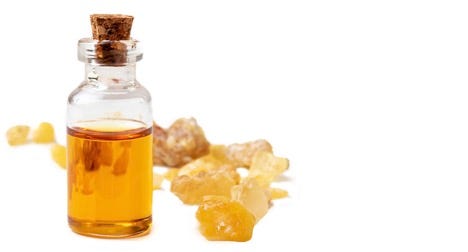
Accordingly, the manufacturing choice is not simply about maximum recovery. Oil-compatible extraction may be preferable when downstream topical formulation and local dermal residence are the priorities, whereas ethanol-modified supercritical CO₂ becomes more attractive when the manufacturing goal is high AKBA enrichment with minimal thermal burden and low solvent residue (Rathod et al., 2018). Characteristics such as particle size standardization optimizes consistent diffusion and solvent access. Controlled temperature extraction below terpene loss thresholds preserves volatile components. Closed systems prevent solvent loss, and staged clarification minimizes compositional drift.
Resin with higher triterpenoid content requires less aggressive extraction conditions to achieve equivalent yields, while lower-quality material may require extended extraction or multiple passes, reflecting the dependence of extraction efficiency on initial chemical composition rather than process alone (Elhaddad et al., 2023; Kosolapov et al., 2024). Compensation for this variability through a combination of raw material specification limits and batch blending, practices are commonly used to maintain consistency in botanically derived products where input variability is unavoidable (Kosolapov et al., 2024; DeCarlo et al., 2020).
Solvent selection may also shift based on raw material characteristics. High-resin material can be efficiently extracted into lipid systems due to the nonpolar nature of boswellic acids, whereas lower-resin or compositionally mixed material may require ethanol extraction to recover a broader metabolite range, including more polar fractions (Siddiqui, 2011; Elhaddad et al., 2023).
During filtration additional bias can be introduced that artificially favor whatever remains unbound in the filtrate and make one extraction appear chemically poorer than it is if recovery losses are not measured explicitly (Carlson & Thompson, 2000). Adsorption occurs because boswellic acids are hydrophobic and interact with filter materials through van der Waals forces and hydrophobic interactions, particularly with cellulose-based media (Frank & Unger, 2006). That general risk is consistent with membrane-validation literature showing that nylon and other more interactive membranes can bind acidic or polarizable analytes through hydrogen bonding and electrostatic interactions, whereas PTFE and PVDF often show lower binding because they present fewer functional groups available for secondary interactions.
Performing filtration of the extract while warm reduces precipitation of dissolved resin by maintaining solubility of lipophilic components, although this effect depends on temperature-dependent solubility behavior (Chemat et al., 2017). Both nonpolar surface affinity and acid–surface interactions can bias apparent yield downward, especially when filtration is used after cooling or with membranes that present more interactive surface chemistry (Carlson & Thompson, 2000; Fischer et al., 2022). Allowing the extract to settle and decanting the clarified portion reduces surface contact and may preserve more of the resin fraction, although this approach is based on general phase-separation principles rather than direct quantitative study. Analytical workflows often use centrifugation to minimize surface interaction and analyte loss (Fischer et al., 2022).
References
Carlson, M., & Thompson, R. D. (2000). Analyte loss due to membrane filter adsorption as determined by high-performance liquid chromatography. Journal of Chromatographic Science, 38(2), 77–83. https://doi.org/10.1093/chromsci/38.2.77
Chemat, F., Rombaut, N., Sicaire, A.-G., Meullemiestre, A., Fabiano-Tixier, A.-S., & Abert-Vian, M. (2017). Ultrasound assisted extraction of food and natural products. Mechanisms, techniques, combinations, protocols and applications. A review. Ultrasonics Sonochemistry, 34, 540–560. https://doi.org/10.1016/j.ultsonch.2016.06.035
DeCarlo, A., Ali, S., & Ceroni, M. (2020). Ecological and economic sustainability of non-timber forest products in post-conflict recovery: A case study of frankincense (Boswellia spp.) resin harvesting in Somaliland (Somalia). Sustainability, 12(9), 3578. https://doi.org/10.3390/su12093578
Elhaddad, H. M. M., Hammoda, H. M., Ghareeb, D. A., Mahmoud, F. A. A., Hussein, A., Yousef, M. I., Darwish, R. S., & Shawky, E. (2023). Investigating the effect of extraction procedure on the anti-inflammatory metabolites of olibanum resin from different Boswellia species through LC-MS/MS-based metabolomics. Food Bioscience, 53, 102668. https://doi.org/10.1016/j.fbio.2023.102668
Fischer, S., Rietzler, A.-C., Scheringer, M., & Hungerbühler, K. (2022). Comparison of sorption models to predict analyte loss during sample filtration and evaluation of the impact of filtration on data quality. Science of the Total Environment, 817, 152624. https://doi.org/10.1016/j.scitotenv.2021.152624
Frank, A., & Unger, M. (2006). Analysis of frankincense from various Boswellia species with inhibitory activity on human drug metabolising cytochrome P450 enzymes using liquid chromatography mass spectrometry after automated on-line extraction. Journal of Chromatography A, 1112(1–2), 255–262. https://doi.org/10.1016/j.chroma.2005.11.116
Kosolapov, D., Jáč, P., Riasová, P., Poušková, J., Polášek, M., & Nováková, L. (2024). Advances and challenges in the analysis of boswellic acids by separation methods. Critical Reviews in Analytical Chemistry. https://doi.org/10.1080/10408347.2024.2312502
Rathod, V. K., Niphadkar, S. S., & Sonawane, S. H. (2018). Optimization of ethanol modified supercritical fluid extraction (SFE) of acetyl 11 keto β boswellic acid (AKBA) from Boswellia serrata using Box–Behnken experimental design. Biocatalysis and Agricultural Biotechnology, 13, 304–310. https://doi.org/10.1016/j.bcab.2017.11.013
Siddiqui, M. Z. (2011). Boswellia serrata, a potential anti-inflammatory agent: An overview. Indian Journal of Pharmaceutical Sciences, 73(3), 255–261. https://doi.org/10.4103/0250-474X.93507